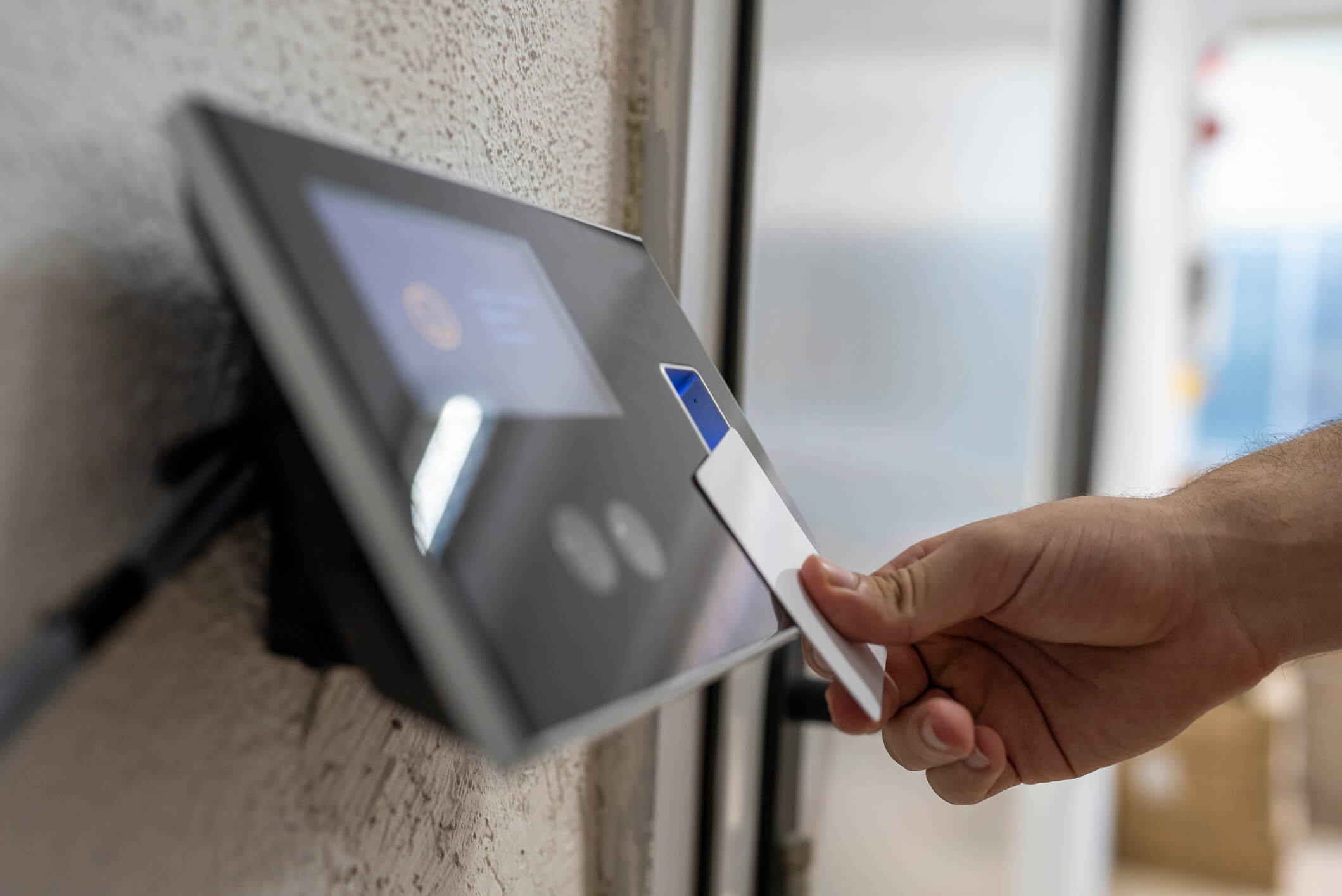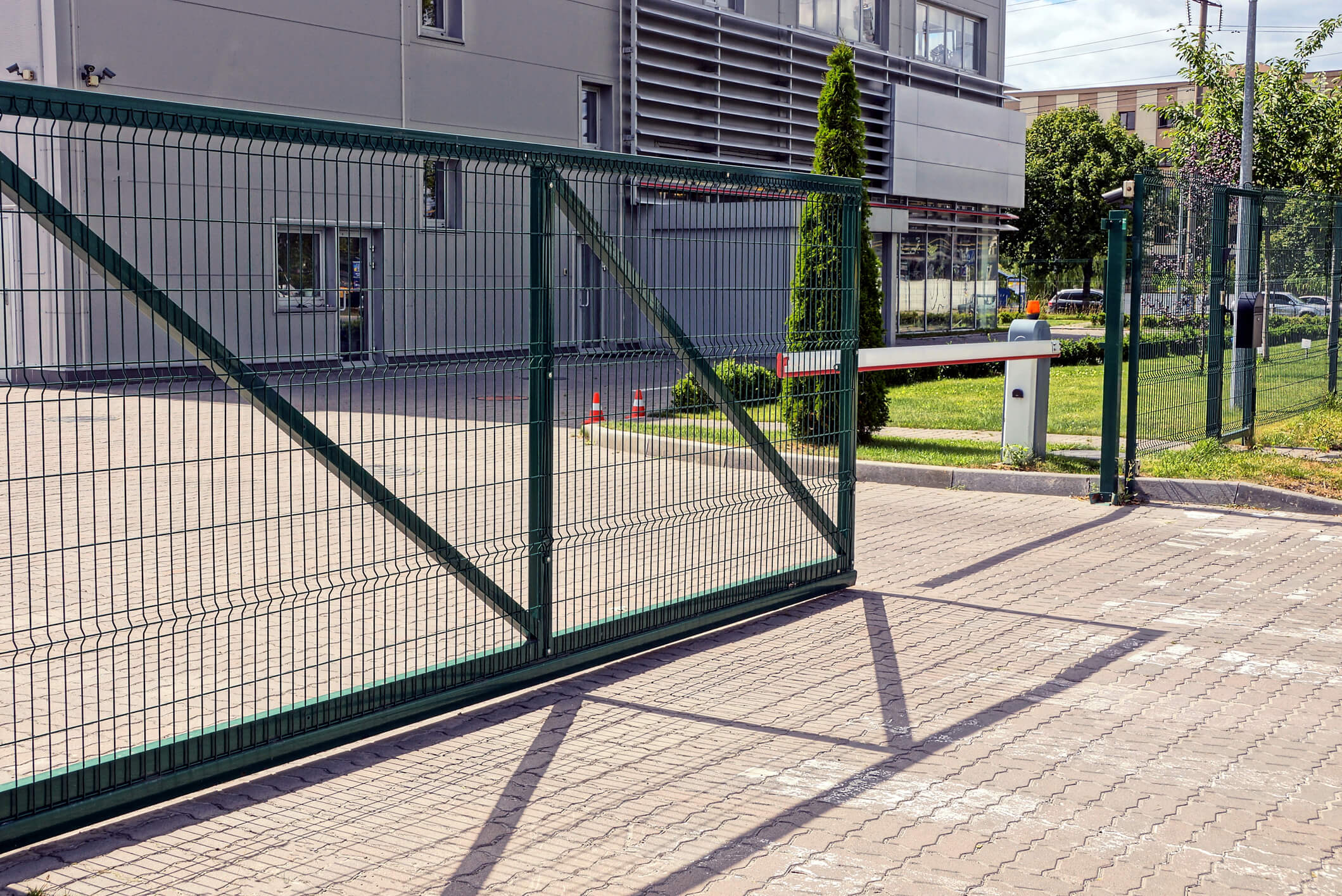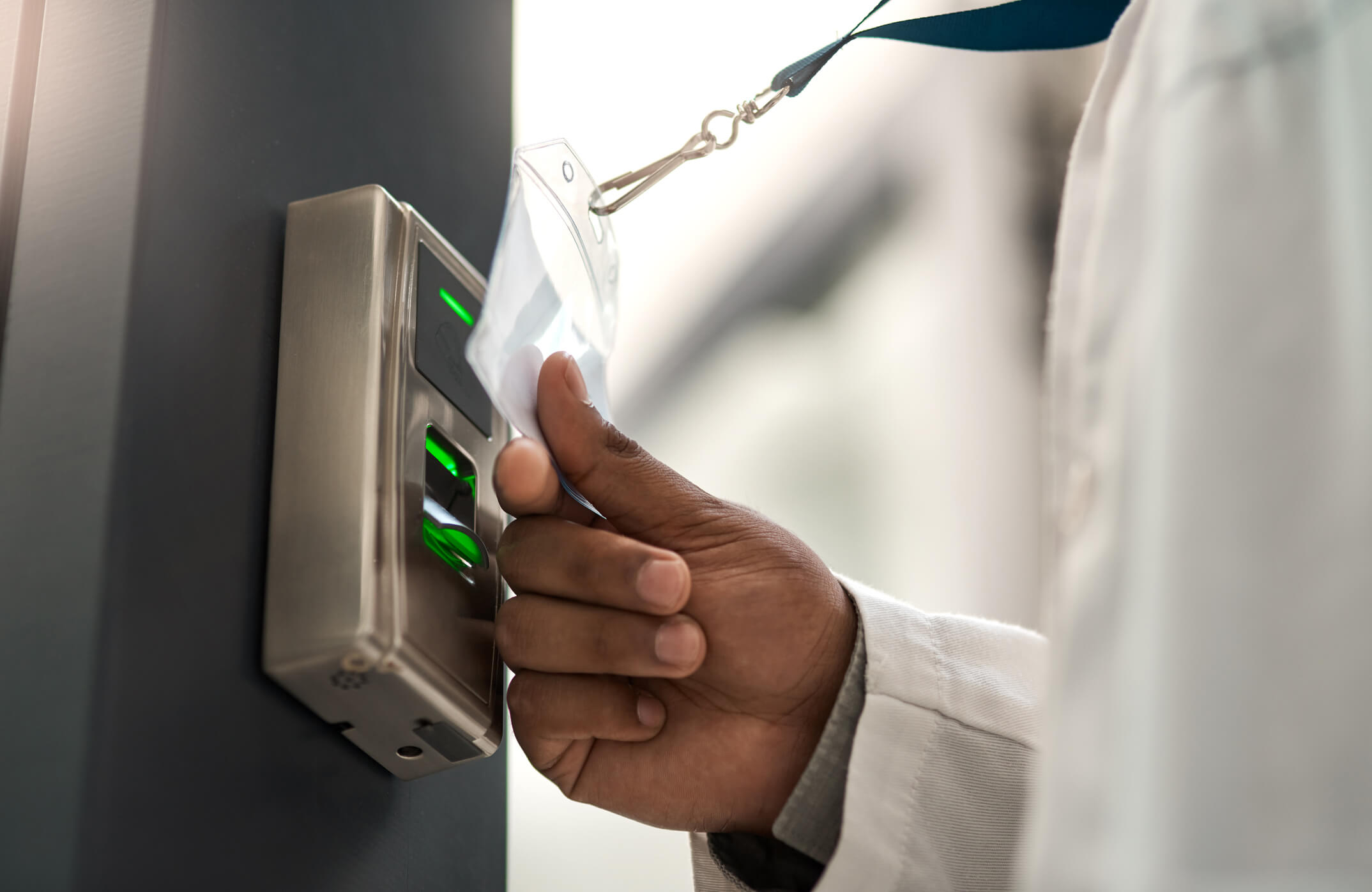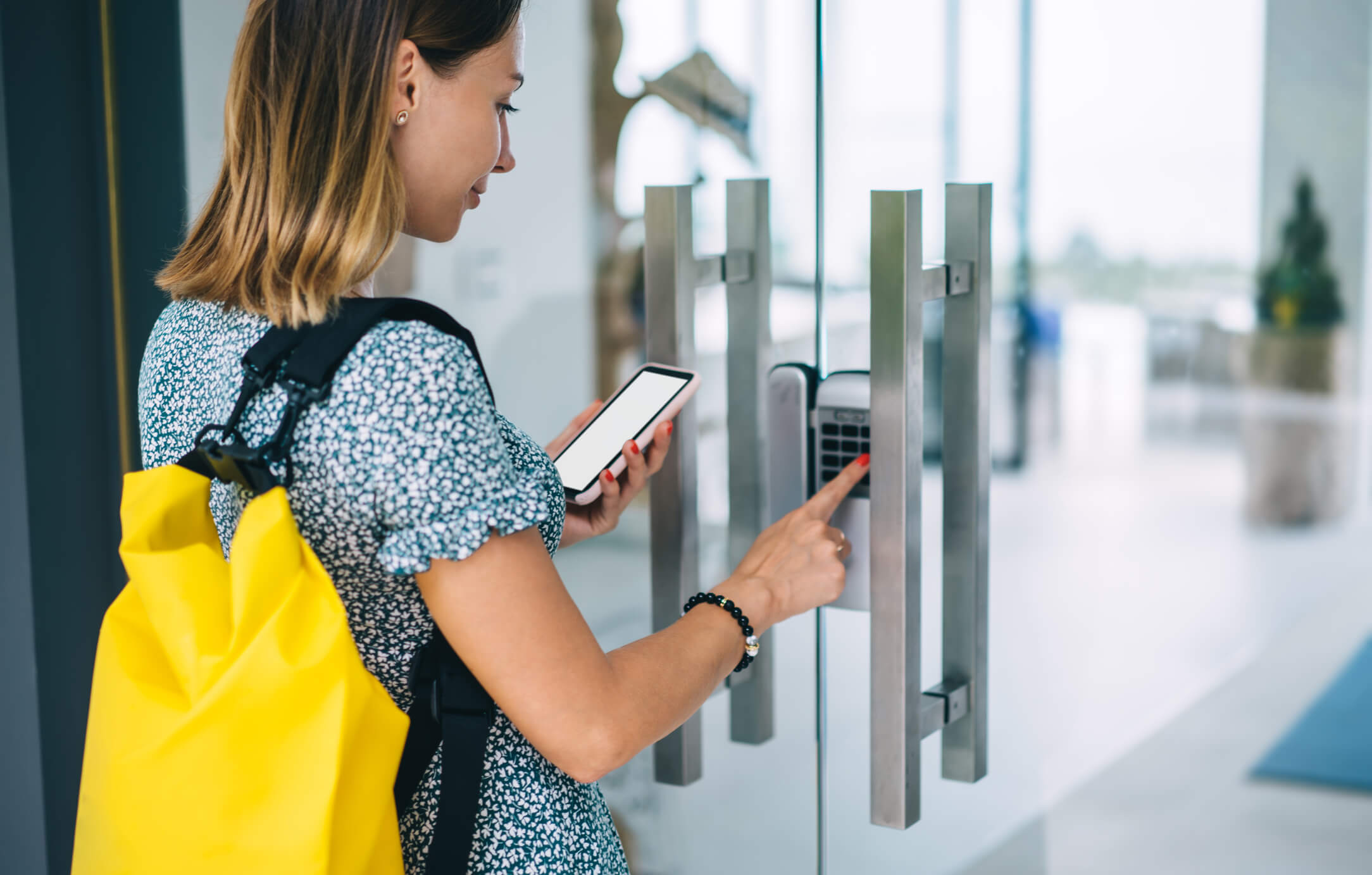
Access control plays a critical role in how high-traffic public venues manage safety, movement, and operational flow. Stadiums, convention centers, civic venues, entertainment districts, and transportation hubs all face the same challenge: large volumes of people moving through spaces that must remain both accessible and secure.
What Clients Remember Most About Managed Security Services
Managed security services often shape a client’s perception long before an incident ever occurs. While cameras, alarms, and monitoring platforms operate in the background, the day-to-day experience of reliability, responsiveness, and communication is what clients actually notice over time.
When a Security Upgrade Makes More Sense Than a Full Replacement
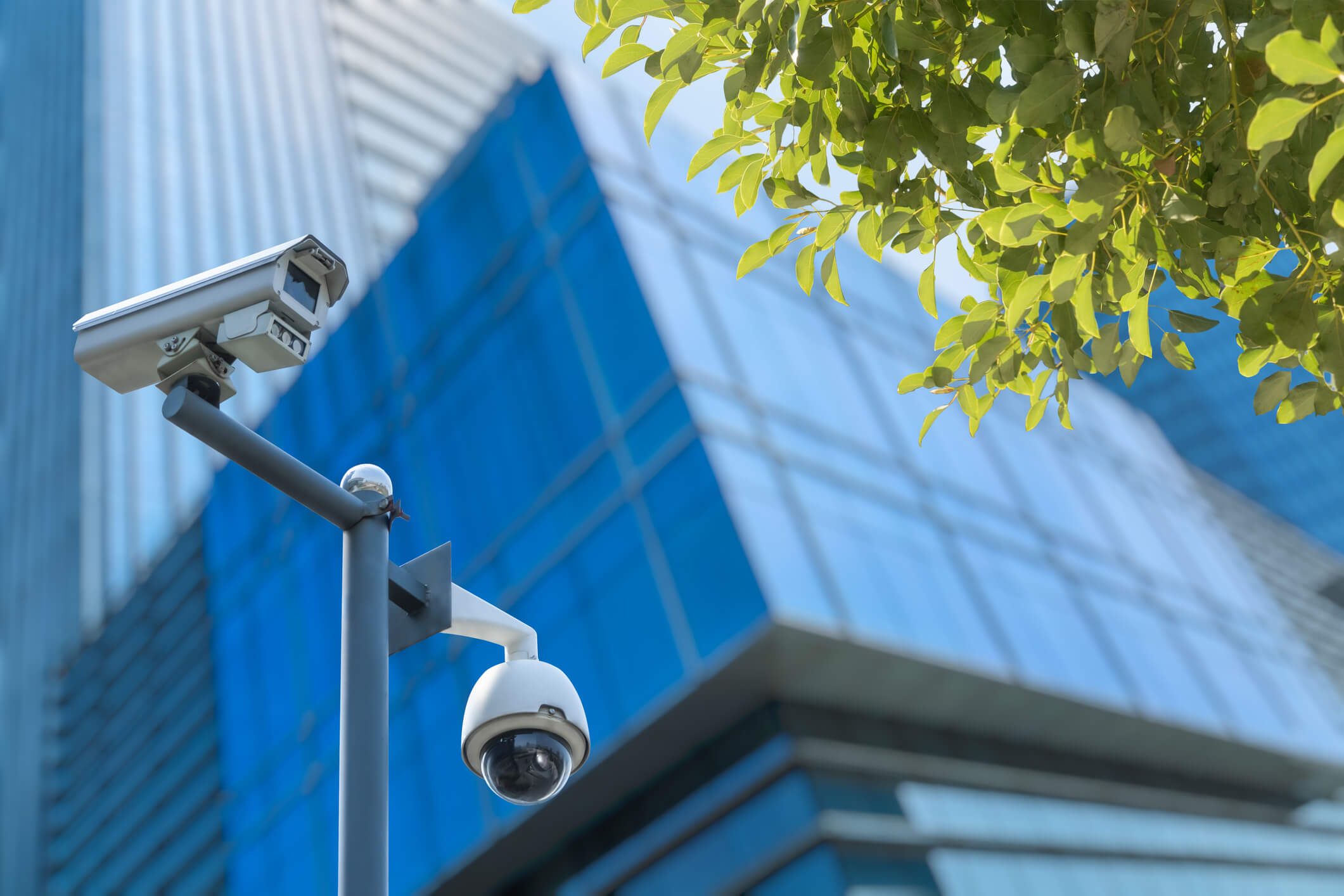
A security upgrade can extend the life of an existing system, improve visibility, and strengthen protection without requiring a complete overhaul. Many organizations operate in buildings that were designed decades ago, with infrastructure that has evolved in phases over time. Video surveillance cameras may have been added years apart, access systems may run on outdated hardware, and monitoring tools may no longer communicate effectively.
When Everything Connects Centralized Monitoring Becomes a Real Advantage
Centralized monitoring gives organizations the ability to manage security activity across multiple locations, systems, and environments from one coordinated platform. As facilities grow more complex and operations spread across campuses, offices, warehouses, and branch locations, disconnected systems create delays, blind spots, and inconsistent response procedures.
At JMG SECURITY SYSTEMS, we help clients unify surveillance, intrusion detection, and alert management so security teams can maintain visibility without relying on separate platforms or fragmented workflows.
Keeping Bank Security Systems Consistent Across Every Branch
Banks and financial institutions rarely operate from a single location. Branches, administrative offices, ATMs, and support facilities often span multiple cities or regions, each with its own daily activity, staffing patterns, and physical layout. Maintaining consistent protection across all of them can become difficult when bank security systems operate independently or security standards vary by location.
Vacant Property Security During Tenant Turnover and Transition
Vacant property security becomes a critical priority whenever commercial spaces sit empty between tenants. While turnover is a normal part of property management, the period between occupants often creates overlooked risks. Empty suites, outdated credentials, construction activity, and reduced foot traffic can all expose buildings to incidents that are easier to prevent than to resolve.
Public Building Security That Protects Access and Preserves Trust
Public building security must support protecting people and maintaining openness, both equally important responsibilities. City halls, civic centers, courthouses, and municipal offices are designed to serve the public. Residents need to enter freely, access services, attend meetings, and engage with local government. At the same time, these buildings must protect staff, records, and visitors from disruption or harm.